
Bone Health Yoga, Voicework, Piano and Music Therapy — woven into one quiet practice.
Working with people aged five to eighty-five, in Lewes and the Swansea / Gower area.
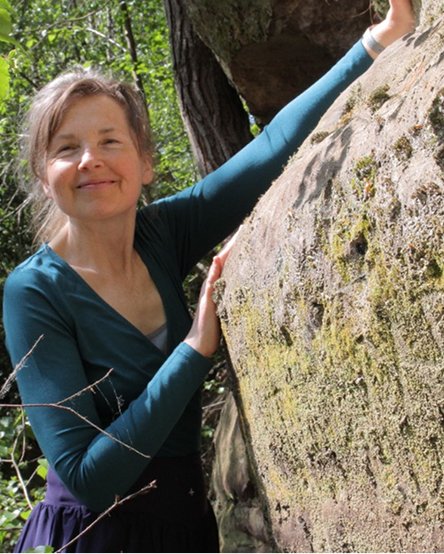
Tuesdays · 9:30 — Lewes
Dr Fishman's evidence-based sequence — strengthening bone, improving balance.
One-to-one · small group · Saturday Sing
Natural voice and singing — finding the sound that already lives inside you.
Mobile · £25 / 30 mins
Mobile teaching across Lewes and Swansea / Gower — ages five to eighty-five.
Neurodiversity-informed
Emotional expression through spontaneous sound, song and shared listening.
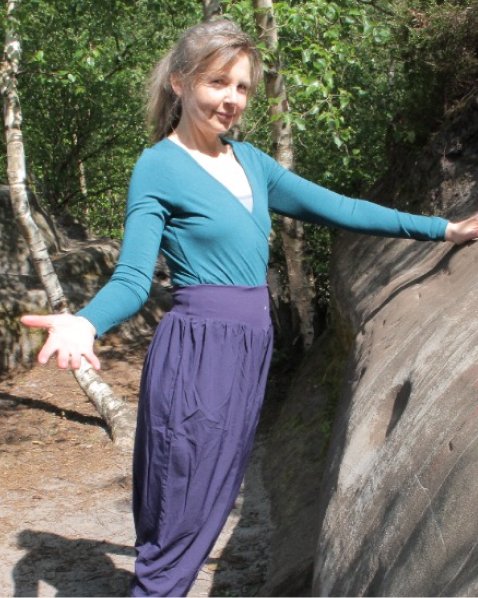
A weekly class following Dr Fishman's clinically-tested sequence — twelve poses with variations, held to allow the dynamic pull of muscle on bone.
The class caters for mixed abilities — poses adapt with props, and standing poses can be done seated. Forward folds and intense flexion safely avoided.
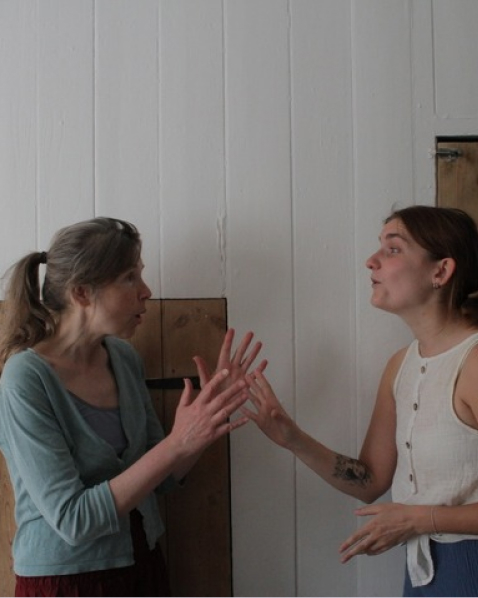
I support you musically and emotionally as you find the sounds and song fragments that are alive in you… I create a structure that will help you feel safe.
We all have a set of "personal to us" sounds, fragments of melody/song which connect us to our inner being. Come and open the door to these sounds and emotions and give them space to be heard and expand into a held space.
You have the invitation to move with your sound, a little, a lot or not at all, and I will be there to mirror, interweave and support you musically.
I have worked as a natural voice practitioner for over 20 years and have helped people access their voice through play, rhythm and imagination. I have noticed how simple natural personal movements and gestures connect the voice and emotions. I have been trained as a music therapist for 5 years. I am a singer songwriter and regularly improvise with others.
(an old proverb)
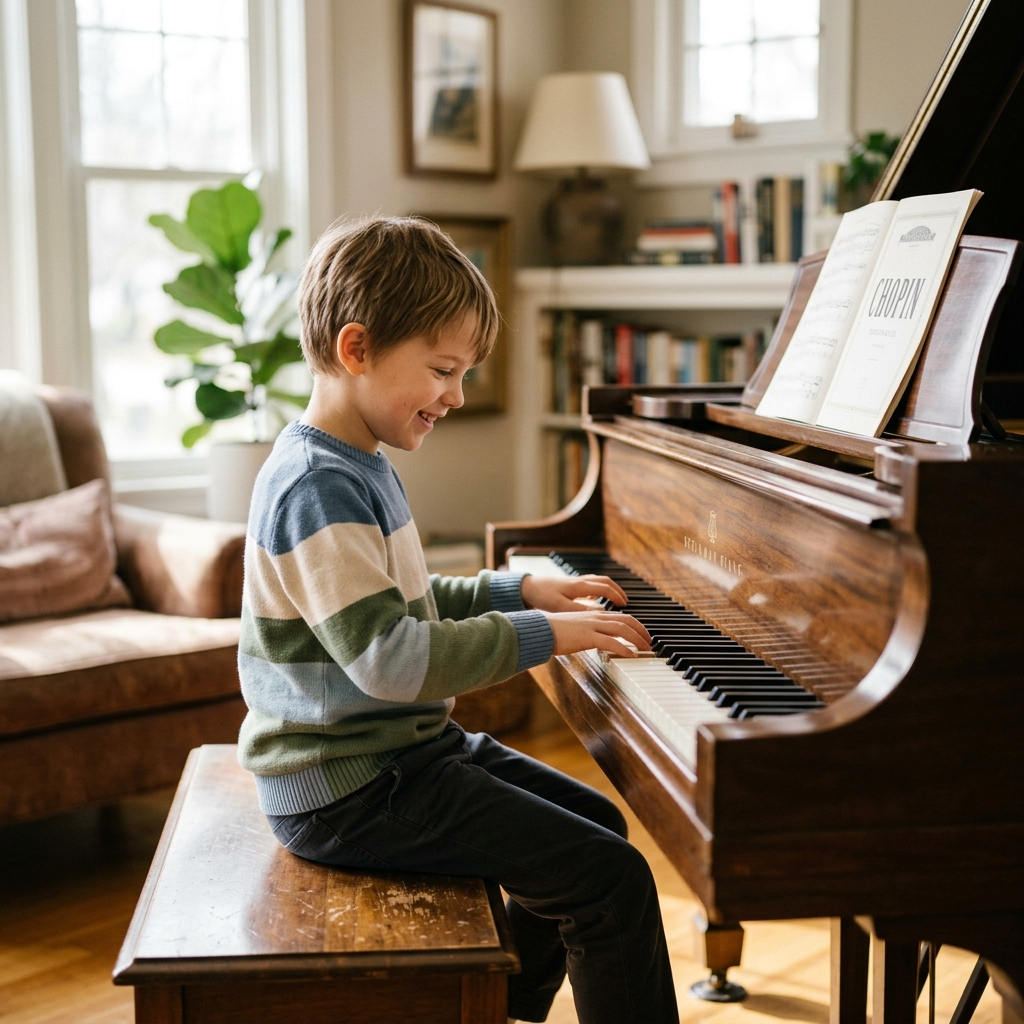
We all have different learning styles, are attracted to different music and have individual approaches to assimilating the information and skills involved in playing the piano. I will come alongside you as you begin your journey, whether you are 5 or 85.
As well as playing the music you like, this may also be happening:
I am a mobile piano teacher and can teach you at your house or mine in Lewes. Regular lessons can be set up weekly or alternate weeks. You will need time to practice 🎵 and a piano/keyboard at home.
I vary the activities when learning for younger learners. Some like stickers and do well with a practice chart. I ensure learners have a piece they like on-the-go as well as learning sometimes substantial, sometimes bite-size pieces of new material. Learners that play slowly build up muscle memory and have more satisfaction than whizzers. I hold piano concerts for my pupils.
I have sung and played piano since I can remember. I tinkered around and found the music inside me as well as doing Grades 1–8 as I grew up. I specialised in teaching all aspects of music within primary education and have taught for over 30 years. I trained as a music therapist 5 years ago and have taught a range of pupils, including those with Neurodiversity in the last few years.
The piano has been my best friend throughout my life and I owe so much to learning it as a child. It taught me to hear harmony, find structure and order, to know self-discipline, to regulate my emotions and find my expression, write the songs that were waiting to come out… and also as an adult to express chaos, disharmony and spontaneous sounds which I knew nothing of.
Anyone can have music therapy whether "musical" or not. You don't have to be able to play an instrument in advance.
For some it's a means of dynamic non-verbal expression. It can also be a tool for self-regulating, using turn taking and musical dialogue. Others use it for waking up certain areas of the brain and creating new neural pathways. Those with sensory needs can benefit from the physical connection with instruments.
There's an invitation to choose any instrument in the room and play it. This may be in an improvised conversation or musical dialogue with the therapist, or the therapist may musically hold a client's sounds. There may be a structure of activities — creating bits of song together or re-creating and listening to a known song which resonates with a person. Alternatively it may be a shared experience of creating and responding to the flow of rhythms, melodies and silences which are naturally generated.
Over time, music therapy can potentially effect a person's cognitive, emotional and social functioning, enabling connection to self and other. It is used for well-being and generation of new neural pathways.
People have an initial assessment and then usually commit to six to eight sessions, weekly or alternate weeks. Some go on then to engage with longer term work.
I have worked with clients of varying ages with Autism, ADHD, PMLD and learning difficulties. I have also worked with those at various stages of Dementia and those processing trauma.